
Buddhas Insights
  • Health News
  • Health Care
  • Staying Healthy
  • Beauty Advices
No Result
View All Result
  • Health News
  • Health Care
  • Staying Healthy
  • Beauty Advices
No Result
View All Result
Buddhas Insights
No Result
View All Result
Home Health News

The gum disease, diabetes connection

by
November 5, 2025
in Health News
0
The gum disease, diabetes connection

Health

The gum disease, diabetes connection

Kathleen Refior

HSDM Communications

October 27, 2025


3 min read

Periodontist explains how the relationship between the two diseases shapes patient care and prevention

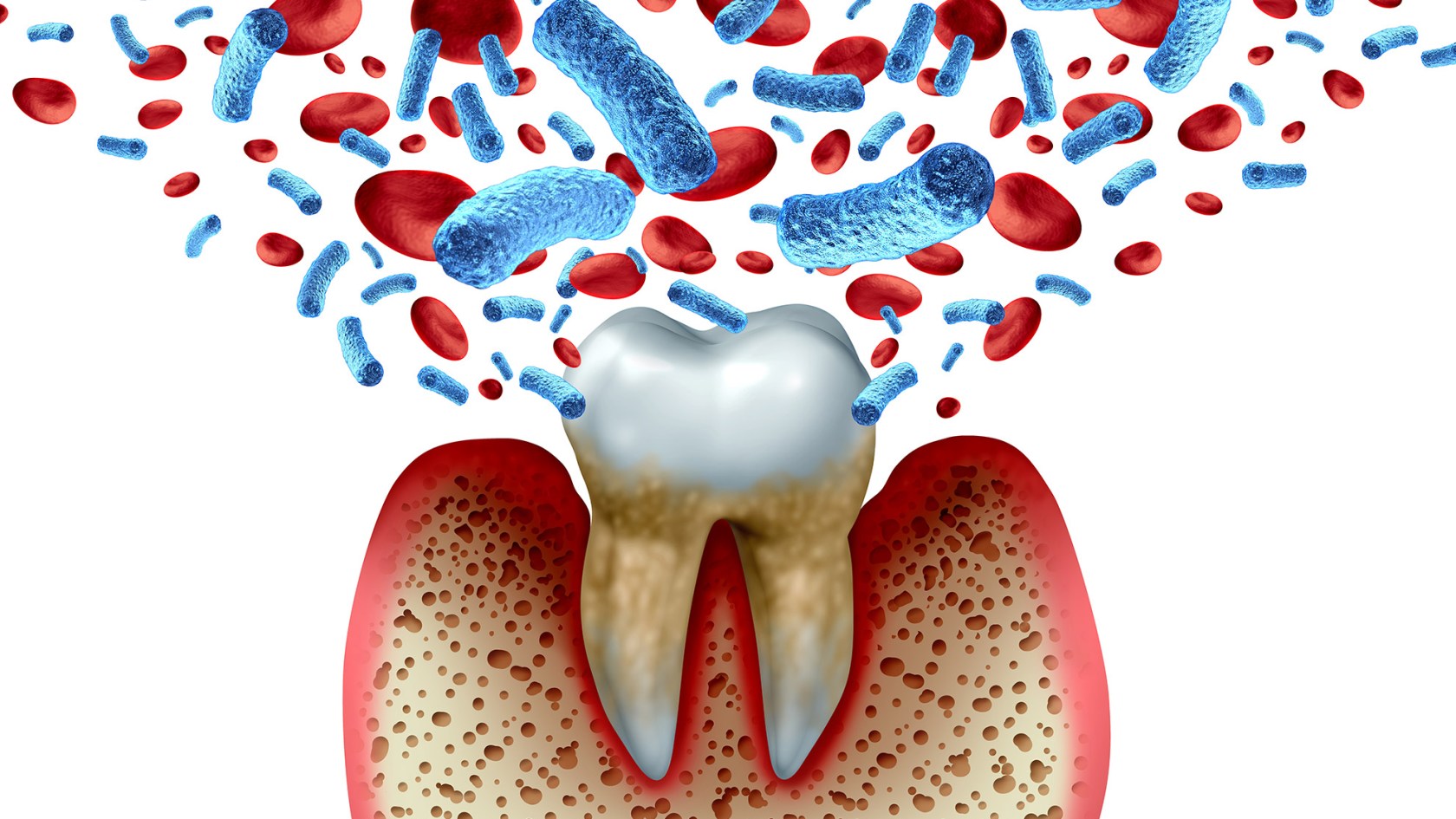
For people living with diabetes, caring for their gums can be just as important as managing blood sugar. Research has shown that there is a two-way relationship between periodontal disease — more commonly known as gum disease — and diabetes.

People with periodontitis have a higher risk of diabetes, and patients with diabetes are three times more likely to develop periodontal disease. About 50 percent of adults worldwide are affected by gum disease, contributing to the more than 3.5 billion people impacted by oral diseases each year, according to the World Health Organization (WHO).

To shed light on this connection, Harvard School of Dental Medicine spoke with David Wu, an instructor in the School’s Department of Oral Medicine, Infection, and Immunity, and program director of the Advanced Graduate Education Program in Periodontology.

Can you explain why people with diabetes are at higher risk for gum disease?

Individuals with diabetes are at increased risk for gum disease due to persistently elevated blood sugar levels, which can impair the body’s ability to fight infection and promote chronic inflammation in the mouth. This weakened immune response combined with higher amount of glucose in your saliva allows harmful oral bacteria to flourish and plaque to build up, increasing the likelihood of gum tissue breakdown and periodontal infection.

What early signs of gum disease should someone with diabetes be aware of?

Early symptoms of gum disease may include gums that are red, swollen, or bleed easily, especially during brushing or flossing. Persistent bad breath, gum tenderness, receding gum lines, and loose teeth can also signal the onset of periodontal problems. These early signs are often painless, but should not be ignored and warrant timely evaluation by a dental professional.

Can treating gum disease help improve diabetes management?

Yes, effective management of gum disease may lead to improvements in blood sugar control. Treating gum disease reduces chronic inflammation in the body, which can enhance the body’s response to insulin and stabilize metabolic health. The key take away is that integrating routine dental care with diabetes management is key to achieving better overall outcomes for patients. Prevention, early diagnosis, and intervention can lead to best clinical outcomes.

Are there any recent research findings that have changed how we understand the link between diabetes and oral health?

Recent scientific advances underscore the bidirectional relationship between diabetes and gum disease. New findings indicate that inflammation from periodontal disease can contribute to worsening blood sugar control, while uncontrolled diabetes may fuel oral infection. Studies are also exploring how genetics and the oral microbiome may influence this complex interplay, heralding a new era of collaborative care between dental and medical professionals.

What daily habits or preventive measures are most effective for protecting gum health in people with diabetes?

Adhering to a thorough oral hygiene routine, including twice-daily brushing, daily flossing, and regular dental checkups, is essential to overall health. Optimal blood sugar control, a balanced diet, and avoidance of tobacco products further support gum health.

Consultation with a periodontist (gum specialist), and professional dental hygiene therapy at least twice a year are strongly recommended, as is prompt attention to any oral changes. For patients with diabetes, the periodontist may recommend a maintenance visit every three months to adequately monitor disease status and halt progression.


Previous Post

Step study: 4,000 counts for a lot

Next Post

Why don’t we have cures for Alzheimer’s, depression?

Next Post
Why don’t we have cures for Alzheimer’s, depression?

Why don’t we have cures for Alzheimer’s, depression?

  • Trending
  • Comments
  • Latest
‘Harvard Thinking’: Facing death with dignity

‘Harvard Thinking’: Facing death with dignity

April 17, 2024
How to untangle ethics of psychedelics for therapeutic care

How to untangle ethics of psychedelics for therapeutic care

May 2, 2024
The Benefits of Joining a Fitness Group

The Benefits of Joining a Fitness Group

April 8, 2024
Infertility history linked with increased risk of heart failure

Infertility history linked with increased risk of heart failure

June 4, 2022
Alcohol is dangerous. So is ‘alcoholic.’

Alcohol is dangerous. So is ‘alcoholic.’

0
Novel teamwork, promising results for glioblastoma treatment

Novel teamwork, promising results for glioblastoma treatment

0
‘Harvard Thinking’: Facing death with dignity

‘Harvard Thinking’: Facing death with dignity

0
Asking the internet about birth control

Asking the internet about birth control

0
New research finds 5 genetic signatures shared by 14 psychiatric disorders

New research finds 5 genetic signatures shared by 14 psychiatric disorders

December 19, 2025
Break in the case for long COVID investigators

Break in the case for long COVID investigators

December 18, 2025
The problem with the school smartphone debate

The problem with the school smartphone debate

December 18, 2025
Just who gets a say at FDA public drug-approval hearings?

Just who gets a say at FDA public drug-approval hearings?

December 17, 2025

Enter Your Information Below To Receive Latest News And Articles

    Your information is secure and your privacy is protected. By opting in you agree to receive emails from us. Remember that you can opt-out any time, we hate spam too!

    Recent News

    New research finds 5 genetic signatures shared by 14 psychiatric disorders

    New research finds 5 genetic signatures shared by 14 psychiatric disorders

    December 19, 2025
    Break in the case for long COVID investigators

    Break in the case for long COVID investigators

    December 18, 2025
    The problem with the school smartphone debate

    The problem with the school smartphone debate

    December 18, 2025
    Just who gets a say at FDA public drug-approval hearings?

    Just who gets a say at FDA public drug-approval hearings?

    December 17, 2025

    Recent News

    New research finds 5 genetic signatures shared by 14 psychiatric disorders

    New research finds 5 genetic signatures shared by 14 psychiatric disorders

    December 19, 2025
    Break in the case for long COVID investigators

    Break in the case for long COVID investigators

    December 18, 2025

    Popular News

    • New research finds 5 genetic signatures shared by 14 psychiatric disorders
    • Break in the case for long COVID investigators

    About Buddhas Insights

    • Contact us
    • Privacy Policy
    • Terms & Conditions
    • Email Whitelisting
    • Contact us
    • Privacy Policy
    • Terms & Conditions
    • Email Whitelisting

    Copyright © 2024 Buddhasinsights.com. All Rights Reserved.

    No Result
    View All Result
    • Health News
    • Health Care
    • Staying Healthy
    • Beauty Advices

    Copyright © 2024 Buddhasinsights.com. All Rights Reserved.