
Buddhas Insights
  • Health News
  • Health Care
  • Staying Healthy
  • Beauty Advices
No Result
View All Result
  • Health News
  • Health Care
  • Staying Healthy
  • Beauty Advices
No Result
View All Result
Buddhas Insights
No Result
View All Result
Home Health News

Rethinking life-support decisions

by
June 10, 2024
in Health News
0
Rethinking life-support decisions

Health

Rethinking life-support decisions

Brain injury waiting period should be extended, study suggests

MGB Communications

May 24, 2024


3 min read

A new study of nearly 1,400 U.S. patients with severe traumatic brain injuries (TBI) found that some patients for whom life support was withdrawn may have survived and recovered some level of independence a few months after injury.

Because families are typically asked to decide whether to withdraw life support within 72 hours of a TBI, researchers suggest that delaying these decisions may benefit some patients. 

The study was published in Journal of Neurotrauma.

According to the authors, the findings suggest there is a cyclical, self-fulfilling prophecy taking place: Clinicians assume patients will do poorly based on outcomes data. This assumption results in withdrawal of life support, which in turn increases poor outcomes rates and leads to even more decisions to withdraw life support. However, there are currently no medical guidelines or precise algorithms that determine which patients with severe TBI are likely to recover.

In the Mass General Brigham-led study, investigators analyzed potential clinical outcomes for TBI patients enrolled in the Transforming Research and Clinical Knowledge in TBI (TRACK-TBI) study for whom life support was withdrawn. Using data collected over a 7.5-year period on 1,392 of these patients in intensive-care units at 18 U.S. trauma centers, the researchers created a mathematical model to calculate the likelihood of withdrawal of life-sustaining treatment, based on properties like demographics, socioeconomic factors, and injury characteristics. Then, they paired individuals for whom life-sustaining treatment was not withdrawn (WLST-) to individuals with similar model scores, for whom life-sustaining treatment was withdrawn (WLST+).

Based on follow-up of their WLST- paired counterparts, the estimated six-month outcomes for a substantial proportion of the WLST+ group was either death or recovery of at least some independence in daily activities. Of survivors, more than 40 percent of the WLST- group recovered at least some independence. In addition, the research team found that remaining in a vegetative state was an unlikely outcome by six months after injury. Importantly, none of the patients who died in this study were pronounced brain-dead, and thus the results are not applicable to brain death.

The authors suggest that further studies involving larger sample sizes that allow for more precise matching of WLST+ and WLST- cohorts are needed to understand variable recovery trajectories for patients who sustain traumatic brain injuries. 

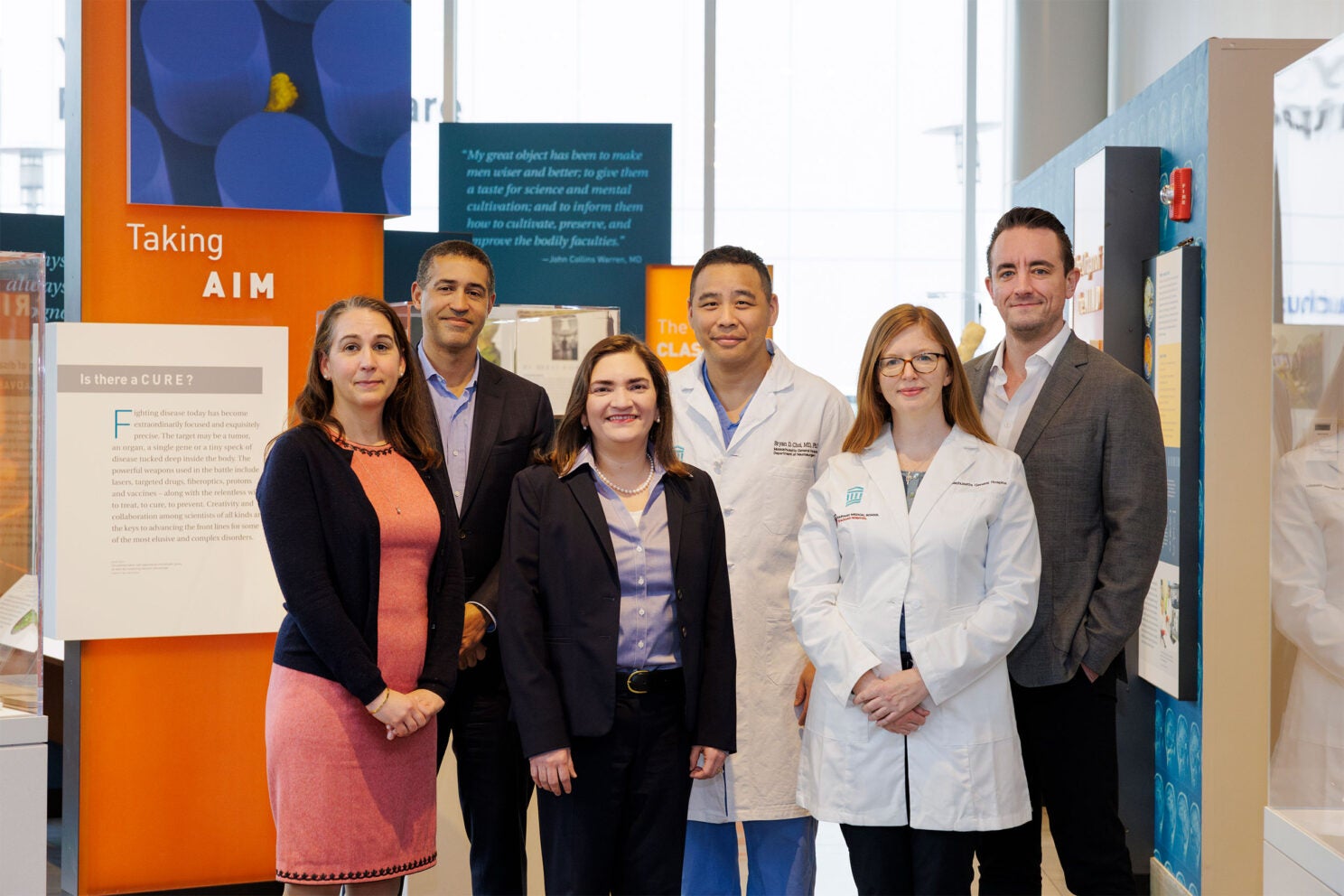
“Our findings support a more cautious approach to making early decisions on withdrawal of life support,” said corresponding author Yelena Bodien of the Department of Neurology’s Center for Neurotechnology and Neurorecovery at Massachusetts General Hospital and of the Spaulding-Harvard Traumatic Brain Injury Model Systems. “Traumatic brain injury is a chronic condition that requires long-term follow-ups to understand patient outcomes. Delaying decisions regarding life support may be warranted to better identify patients whose condition may improve.” 

Previous Post

What to do about mental health crisis among Black males

Next Post

Had a bad experience meditating? You’re not alone.

Next Post
Had a bad experience meditating? You’re not alone.

Had a bad experience meditating? You’re not alone.

  • Trending
  • Comments
  • Latest
‘Harvard Thinking’: Facing death with dignity

‘Harvard Thinking’: Facing death with dignity

April 17, 2024
How to untangle ethics of psychedelics for therapeutic care

How to untangle ethics of psychedelics for therapeutic care

May 2, 2024
The Benefits of Joining a Fitness Group

The Benefits of Joining a Fitness Group

April 8, 2024
Infertility history linked with increased risk of heart failure

Infertility history linked with increased risk of heart failure

June 4, 2022
Alcohol is dangerous. So is ‘alcoholic.’

Alcohol is dangerous. So is ‘alcoholic.’

0
Novel teamwork, promising results for glioblastoma treatment

Novel teamwork, promising results for glioblastoma treatment

0
‘Harvard Thinking’: Facing death with dignity

‘Harvard Thinking’: Facing death with dignity

0
Asking the internet about birth control

Asking the internet about birth control

0
Nighttime exposure to light may raise cardiovascular risk by up to 50%

Nighttime exposure to light may raise cardiovascular risk by up to 50%

December 9, 2025
Why childhood obesity endures, grows

Why childhood obesity endures, grows

December 8, 2025
In the grip of ‘horror and anger,’ Gawande grows more determined

In the grip of ‘horror and anger,’ Gawande grows more determined

December 5, 2025
Looking to build muscle? Lose weight? Need more protein, right? Probably not.

Looking to build muscle? Lose weight? Need more protein, right? Probably not.

December 5, 2025

Enter Your Information Below To Receive Latest News And Articles

    Your information is secure and your privacy is protected. By opting in you agree to receive emails from us. Remember that you can opt-out any time, we hate spam too!

    Recent News

    Nighttime exposure to light may raise cardiovascular risk by up to 50%

    Nighttime exposure to light may raise cardiovascular risk by up to 50%

    December 9, 2025
    Why childhood obesity endures, grows

    Why childhood obesity endures, grows

    December 8, 2025
    In the grip of ‘horror and anger,’ Gawande grows more determined

    In the grip of ‘horror and anger,’ Gawande grows more determined

    December 5, 2025
    Looking to build muscle? Lose weight? Need more protein, right? Probably not.

    Looking to build muscle? Lose weight? Need more protein, right? Probably not.

    December 5, 2025

    Recent News

    Nighttime exposure to light may raise cardiovascular risk by up to 50%

    Nighttime exposure to light may raise cardiovascular risk by up to 50%

    December 9, 2025
    Why childhood obesity endures, grows

    Why childhood obesity endures, grows

    December 8, 2025

    Popular News

    • Nighttime exposure to light may raise cardiovascular risk by up to 50%
    • Why childhood obesity endures, grows

    About Buddhas Insights

    • Contact us
    • Privacy Policy
    • Terms & Conditions
    • Email Whitelisting
    • Contact us
    • Privacy Policy
    • Terms & Conditions
    • Email Whitelisting

    Copyright © 2024 Buddhasinsights.com. All Rights Reserved.

    No Result
    View All Result
    • Health News
    • Health Care
    • Staying Healthy
    • Beauty Advices

    Copyright © 2024 Buddhasinsights.com. All Rights Reserved.